
Edge distribution solutions
Consolidate CDN, connectivity, and WAAP services under a single control plane across cloud and edge.
Unify edge and multicloud security—deployment flexibility baked in
The F5 Application Delivery and Security Platform (ADSP) unifies security, networking, and application delivery across any environment. Unlike PoP-centric providers that require customers to architect into a single edge footprint, F5 supports multi-edge deployment flexibility with deployable software, integrated security, and a cloud-agnostic, Kubernetes-based architecture. With a unified control plane, teams can apply consistent policy, visibility, and performance from cloud to edge—built for security-sensitive enterprises deploying edge distribution platforms.
Unify app delivery, reduce complexity
Reduce complexity with unified app delivery, networking, and security policies—create once, deploy anywhere.
Consolidate CDN, WAAP, and edge compute
Consolidate CDN, WAAP, and edge compute into a unified platform to simplify ops and deliver faster digital experiences.
Protect apps and APIs—everywhere
Protect apps and APIs with integrated security and deep observability across cloud, data center, and edge environments.
Automate app delivery and security operations
Improve operational efficiency with unified orchestration and automation across app delivery, networking, and security.
Explore edge distribution use cases
Edge computing
Edge computing
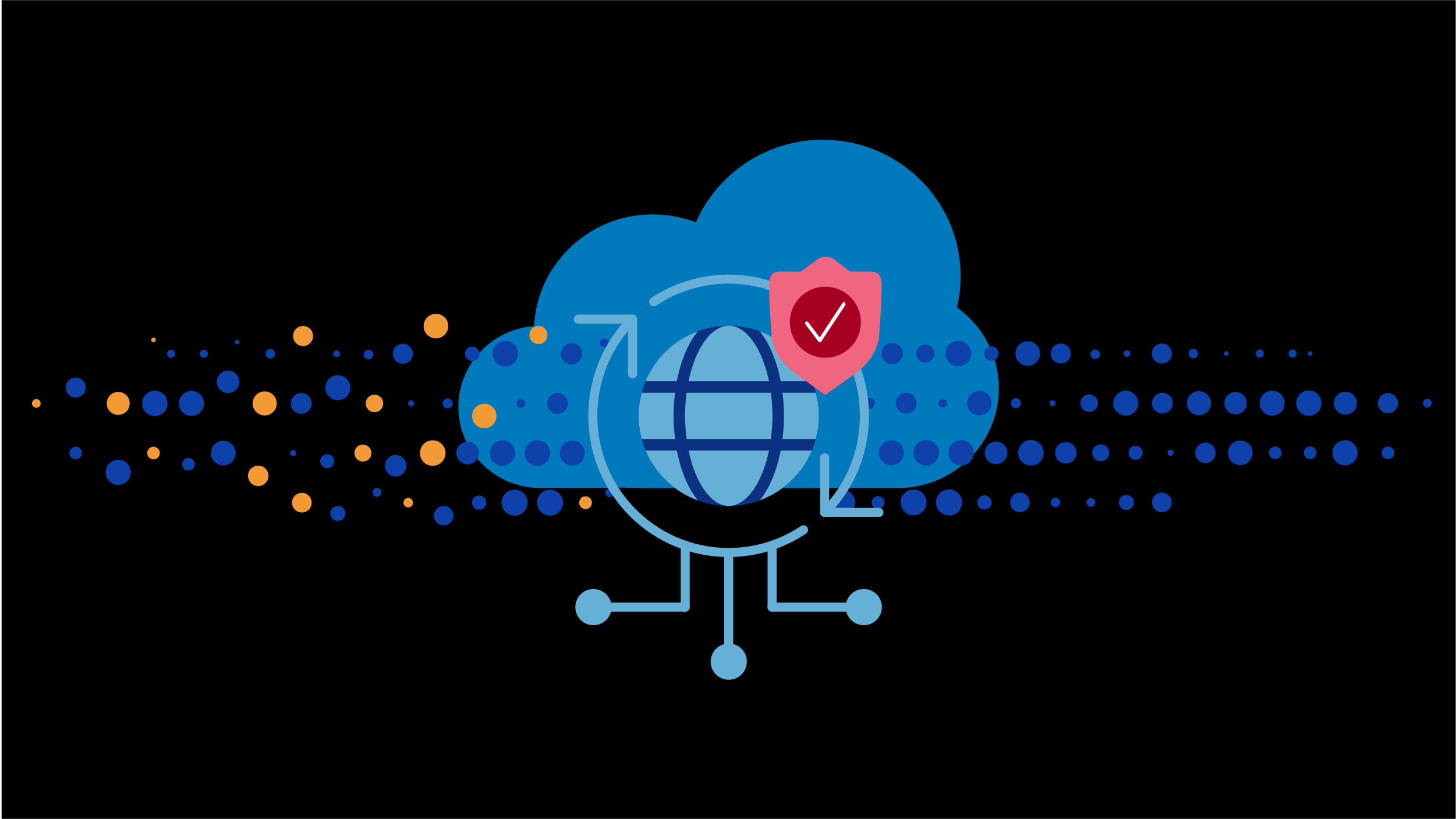
Users expect instant, always-available digital experiences. But as apps and APIs span data centers, clouds, and edge sites, performance varies, security policies drift, and operations become costly and complex. Scaling edge deployments often means stitching together CDN, networking, WAAP, and monitoring—site by site.
F5 unifies application delivery, security, and connectivity across cloud and multi-edge environments with centralized orchestration, consistent policy, and built-in protection—so you can scale securely, reduce complexity, and deliver high-performance experiences everywhere.
F5 Distributed Cloud App Stack
Deploys containerized apps at the edge with centralized control.
F5 Distributed Cloud Network Connect
Ensures connectivity across edge locations.
F5 Distributed Cloud API Security
Discover and protect APIs across cloud and edge.
F5 WAF for Distributed Cloud
SaaS WAF secures apps and APIs across all edges.
F5 Distributed Cloud Console
Centralizes ops with deep observability and automation.
F5 Distributed Cloud Bot Defense
Secures AI applications and APIs from malicious bots without disrupting operations.
F5 Distributed Cloud DDoS Mitigation
Identifies and mitigates volumetric attacks on AI applications in real time.
Distributed app delivery
Distributed app delivery
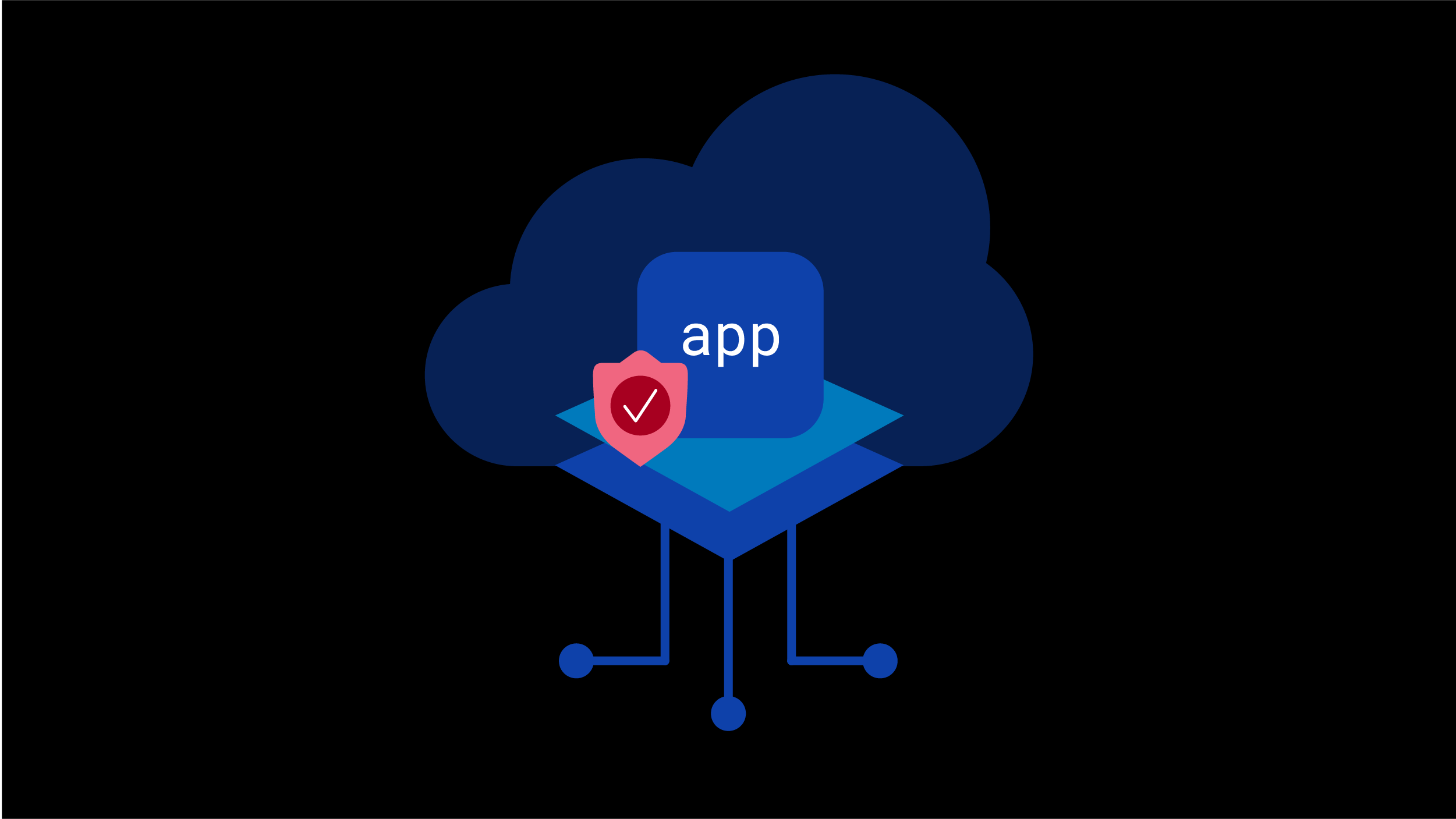
Modern application delivery spans multicloud, SaaS, legacy systems, and edge—but users still expect fast, always-on experiences. Most enterprises rely on fragmented CDNs, load balancers, DNS, and security tools that lack shared policy and visibility.
F5 Distributed Cloud Services unifies application delivery, connectivity, and WAAP/API protection in a single platform with centralized policy, automation, and end-to-end observability—so you can scale reliably, reduce complexity, and deliver secure, high-performing digital experiences everywhere.
F5 Distributed Cloud CDN
Global content caching boosts speed and cuts origin load.
F5 Distributed Cloud App Connect
Deploys edge network and security policy with smart routing.
F5 Distributed Cloud Network Connect
Ensures connectivity across edge locations.
F5 BIG-IP DNS
Delivers a unified, scalable, intelligent framework for app delivery.
F5 Distributed Cloud DNS
Simplifies DNS delivery across multi-cloud and modern applications.
WAAP at the edge
WAAP at the edge
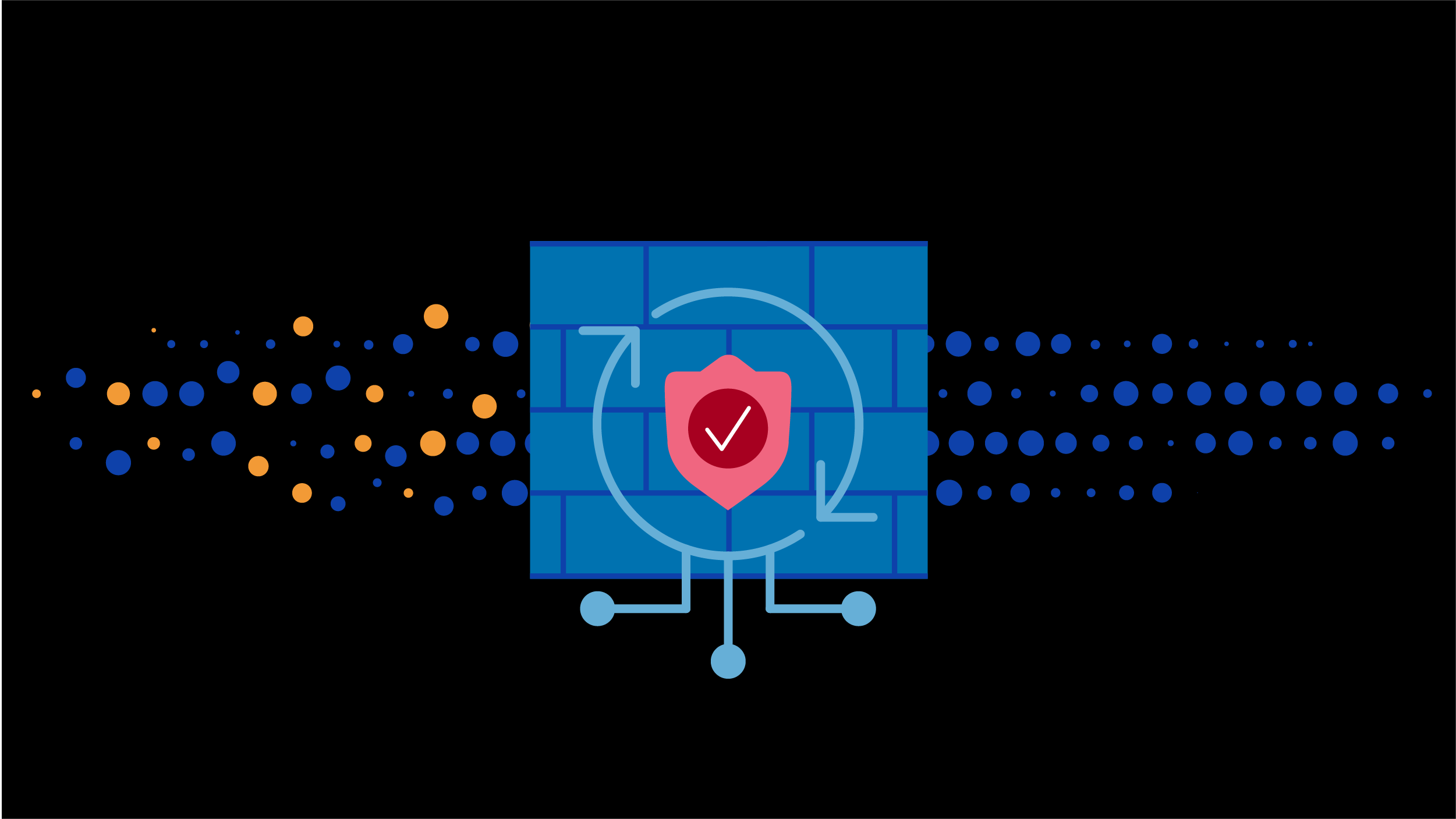
The edge is now the front door of your business—but every new edge or cloud deployment expands your attack surface. As apps and APIs spread across multicloud and edge environments, security controls fragment: inconsistent WAF and WAAP policies, limited API discovery, and blind spots as attacks move between regions. The result? Bot-driven logins, API abuse, outages, and revenue risk.
Without unified protection and visibility, SecOps and Platform teams can’t scale confidently or enforce consistent security across environments.
F5 Distributed Cloud API Security
Discover and safeguard API endpoints with behavior analytics and protection
F5 WAF for Distributed Cloud
SaaS WAF secures apps and APIs across all edges.
F5 Distributed Cloud DDoS Mitigation
Identifies and mitigates volumetric attacks on AI applications in real time.
Results and recognition



Technology alliances





Resources
Demos
Recent news
Solution overviews
SOLUTION OVERVIEW
How to Securely Connect Your Clouds and Networks
SOLUTION OVERVIEW
How to Quickly Deploy Apps Across Multiple Clouds
Frequently asked questions
Edge computing reduces latency by processing data closer to where it is generated—at the user, device, or regional edge—rather than sending it back to centralized clouds. For real-time AI analytics, this minimizes network hops, congestion, and round-trip delays that degrade inference performance.
An edge distribution platform also enables intelligent traffic steering, local caching, and integrated security enforcement at the edge, so AI workloads can execute faster without sacrificing protection or consistency. The result is lower response times, improved user experiences, and more reliable real-time insights, especially for latency-sensitive use cases like personalization, fraud detection, and IoT analytics.
The most effective approach is to use a centralized, cloud-agnostic edge platform that abstracts underlying hardware and vendors. Instead of managing each device individually, enterprises standardize deployment, networking, and security policies through a single control plane.
This means teams can onboard heterogeneous edge devices, enforce consistent configurations, and automate updates and lifecycle management at scale. By decoupling operations from specific vendors, organizations reduce operational overhead, avoid lock-in, and gain the flexibility to deploy edge services wherever performance, cost, or compliance requirements demand.
Traditional CDNs focus primarily on caching and accelerating static or semi-static content from centralized points of presence. Edge distribution platforms go further by delivering application runtime, networking, and security services across cloud, data center, and customer-owned edge locations. They support dynamic workloads, APIs, AI inference, and integrated WAAP enforcement—not just content delivery.
Edge distribution also provides centralized orchestration, consistent policy, and deep observability across environments, enabling enterprises to operate distributed applications as a unified system rather than a collection of CDN endpoints.
Edge distribution platforms are designed to operate consistently across public clouds, private data centers, and edge sites. They provide a common deployment and security model that spans environments, allowing applications and APIs to be delivered and protected the same way everywhere.
Centralized policy management, unified networking, and automated orchestration eliminate the fragmentation typically introduced by hybrid and multicloud architectures. This lets teams place workloads where it makes the most sense—based on latency, cost, or compliance—while maintaining consistent performance, security, and visibility across the entire application footprint.
Edge distribution improves resilience by distributing applications and security controls across multiple edge and cloud locations rather than relying on centralized infrastructure.
Traffic can be dynamically routed to healthy endpoints, failures can be isolated regionally, and attacks can be absorbed closer to users before they impact core systems. Integrated observability and automation help teams detect issues faster and respond consistently across environments. This architecture reduces blast radius, improves uptime, and ensures applications remain available even during traffic surges, infrastructure failures, or security incidents.
An edge distribution platform improves resilience and availability by distributing application delivery, networking, and security services across multiple cloud, data center, and edge locations instead of relying on centralized infrastructure.
Traffic can be intelligently steered to the closest healthy endpoint, failures can be isolated to specific regions, and load can be absorbed at the edge during spikes or attacks. Centralized policy, unified visibility, and automated orchestration enable rapid failover and consistent operations everywhere. This reduces blast radius, minimizes downtime, and ensures applications remain available and performant even during outages, traffic surges, or security events.