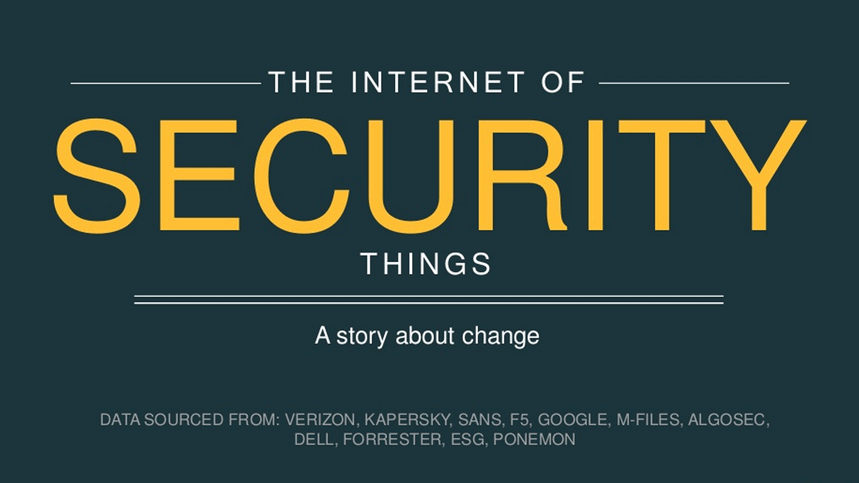
No, esto no es una diatriba sobre la seguridad del IoT. Es una historia sobre el cambio. En concreto, sobre el cambio y sus implicaciones para la seguridad.
El cambio es una constante. Hay infinidad de axiomas y proverbios sobre el cambio, por lo que resulta muy difícil elegir uno solo que resuma cómo afecta a la seguridad. Es indiscutible que lo hace. Y ahora mismo se están produciendo muchos cambios que están afectando a la seguridad.
El movimiento «micro», con tecnologías como los microservicios y la microsegmentación, está transformando radicalmente los perímetros y fragmentando la seguridad «perimetral» tradicional en áreas de seguridad distribuidas, cada una diseñada específicamente para la aplicación o la arquitectura que protege.
El uso prácticamente omnipresente de HTTP como protocolo de transporte de aplicaciones de facto (es el nuevo TCP, ya sabes) ha dado lugar a una creciente eliminación del acceso a la red y a una mayor atención al acceso a las aplicaciones, así como a los riesgos de seguridad inherentes a la capa de aplicación.
El auge de los objetos conectados, tanto dentro como fuera del centro de datos, es, por supuesto, motivo de preocupación, ya que obliga a los equipos de operaciones de red y seguridad a adaptarse rápidamente a un conjunto cada vez más complejo de conexiones, aplicaciones, dispositivos, personas y datos.
Y, por supuesto, los ataques van en aumento, y el DPS de los ataques DDoS se ha duplicado en tan solo los últimos años.
Todos estos son cambios. Algunos son buenos, otros malos y otros intrínsecamente neutros, pero todos afectan a la seguridad de una forma u otra.
De estas tendencias interconectadas e interrelacionadas surgen cuatro áreas clave de preocupación: la seguridad de las aplicaciones web, la escala y las capacidades de la gestión de accesos e identidades, la puesta en funcionamiento y los mecanismos de protección contra ataques DDoS.
El Internet de las cosas de seguridad ofrece un breve repaso de los cambios en estas cuatro áreas y de lo que podemos hacer para empezar a abordarlos.
Sobre el autor

Lori MacVittie es ingeniera distinguida y evangelista jefe en la Oficina del CTO de F5, y cuenta con una amplia experiencia en entrega de aplicaciones, estrategia de automatización e infraestructura. Es conocida por convertir la complejidad en claridad, ya sea definiendo mecanismos de protección para agentes de IA, analizando arquitecturas multinube frágiles o explorando los límites de los sistemas escalables. Aporta más de treinta años de experiencia en el sector en desarrollo de aplicaciones, arquitectura de TI y operaciones de redes y sistemas. Antes de incorporarse a F5, fue una galardonada editora de tecnología. MacVittie posee un máster en Informática y es una autora prolífica cuyas publicaciones abarcan la seguridad, la nube y la arquitectura empresarial. También es una apasionada de los juegos de mesa y los videojuegos, y expresa sin complejos sus firmes opiniones sobre el queso.
Más artículos de Lori Mac VittieArtículos relacionados del blog
Cree servicios públicos seguros, resilientes y preparados para la IA con F5 y AWS
Descubre cómo las organizaciones del sector público pueden modernizar de forma segura sus aplicaciones y soluciones de IA, al tiempo que gestionan los sistemas heredados, el cumplimiento normativo y el riesgo operativo.

Protección de los sistemas de IA: por qué la seguridad debe avanzar al ritmo de la innovación
Desde acelerar avances revolucionarios en medicina y educación hasta transformar la vida cotidiana, la IA está cambiando nuestra forma de vivir y trabajar. Pero también ofrece grandes oportunidades a los ciberdelincuentes.
Avanzar hacia la optimización digital tras la transformación
Descubre estrategias de optimización digital para garantizar políticas de seguridad coherentes, impulsar la madurez de la transformación digital y superar los retos de la transformación.
Proyecto de código abierto destacado: mayor observabilidad con F5 Cloud Logger iApp
En el punto de mira del código abierto: cómo aumentar la observabilidad. Lee el blog de F5 para descubrir cómo exportar fácilmente la telemetría de BIG-IP a plataformas modernas de análisis en la nube.
El estado de la entrega de aplicaciones en 2018: la transformación digital impulsa la automatización y la multinube pese a las preocupaciones de seguridad
Descubre las principales conclusiones del cuarto informe anual de F5 sobre el estado de la entrega de aplicaciones.
Estado de la entrega de aplicaciones en 2017: automatización, API y DevOps
Descubre el informe sobre el estado de la entrega de aplicaciones de 2017. Lee el blog retrospectivo de F5 sobre los inicios del auge de las redes declarativas y los flujos de DevOps.