
통신사급 성능으로 5G/6G 및 AI 서비스를 안전하게 보호하고 확장
F5는 F5 Application Delivery and Security Platform (ADSP)을 통해 제공되는 클라우드 네이티브 애플리케이션 딜리버리 및 보안을 바탕으로 서비스 제공업체가 5G/6G, 유선 및 AI 인프라를 현대화할 수 있도록 지원합니다. F5 BIG-IP Cloud-Native Edition과 통합 Kubernetes 트래픽 계층을 기반으로, F5는 통신사업자급 L3~L7 트래픽 관리, 보안, 관측 가능성 및 고성능 하드웨어를 제공하여 운영 복잡성을 줄여 줍니다.
5G/6G 및 AI 서비스를 더 빠르게 출시
코어, 클라우드, 엣지 전반에서 서비스 출시를 간소화하는 클라우드 네이티브 네트워킹 및 보안을 통해 수익 창출 시점을 앞당기세요.
하나의 플랫폼으로 운영비와 자본 지출 절감
애플리케이션 딜리버리, 보안 및 관측 기능을 확장 가능한 단일 플랫폼으로 통합하여 운영비(OpEx)와 자본적 지출(CapEx)을 절감하세요.
5G/6G, 유선 및 AI 네트워크를 확장하고 수익화하세요
통신사업자급 관리형 서비스와 AI 워크로드를 위해 설계된 진정한 멀티테넌시로 새로운 수익화 모델을 실현하세요.
5G/6G, 유선 및 AI 네트워크 전반의 위험 감소
5G, AI 및 고성능 네트워크에 최적화된 내장형 L3~L7 보안과 심층적인 가시성을 통해 운영 리스크를 줄이세요.
서비스 제공업체 활용 사례 살펴보기
5G 및 6G를 위한 분산 엣지
5G 및 6G를 위한 분산형 엣지
5G 및 새롭게 부상하는 6G 서비스는 일관된 성능, 강력한 테넌트 격리, 확장 가능한 가입자 트래픽 관리가 요구되는 고도로 분산된 엣지 배포 환경에 의존합니다.
서비스 제공업체는 IP 주소를 효율적으로 관리하고 인터넷 액세스, 엔터프라이즈 연결, 애플리케이션 트래픽 조정과 같은 N6 LAN 서비스를 제공하는 동시에 코어, 클라우드 및 엣지 환경 전반에서 원활하게 운영해야 합니다.

F5 BIG-IP Next for Kubernetes
Kubernetes 클러스터를 위한 확장 가능한 멀티테넌트 인그레스 및 이그레스 제어.
F5 BIG-IP Cloud-Native Edition
엣지 및 N6 LAN 트래픽을 위한 가입자 인식형 통신사업자급 CNF.
F5 BIG-IP CGNAT
대규모 N6 가입자 트래픽을 위한 IPv4 주소 추상화 및 로깅.
F5 BIG-IP Advanced Firewall Manager
서비스 제공업체의 에지 및 코어를 위한 인라인 방화벽 및 DDoS 방어.
F5 BIG-IP DNS
서비스 제공업체의 에지 및 코어를 위한 인라인 방화벽 및 DDoS 방어.
F5 BIG-IP eBPF Observability
Kubernetes 및 CNF의 구독자 및 애플리케이션 트래픽을 실시간으로 파악할 수 있습니다.
클라우드 네이티브 관리형 서비스
클라우드 네이티브 매니지드 서비스
서비스 제공업체가 클라우드 네이티브 관리형 서비스로 전환함에 따라, 테넌트 격리, 성능 또는 정책 일관성을 저해하지 않으면서 공유 분산형 인프라에서 애플리케이션 보안과 보호 기능을 제공해야 합니다.
고객은 또한 빠른 온보딩, 예측 가능한 결과, 그리고 클라우드, 엣지 및 온프레미스 환경 전반에서 일관된 보안을 기대합니다.
자세히 알아보기
F5 Distributed Cloud DDoS
중앙 집중식 엣지 가시성과 정책 적용을 제공하는 상시 DDoS 보호.
F5 Distributed Cloud API Security
관리형 서비스를 위한 엔드투엔드 API 검색, 보안 및 거버넌스.
F5 Distributed Cloud Bot Defense
사용자 경험을 저해하지 않으면서 봇으로부터 앱과 API를 보호하세요.
관리형 플랫폼으로 제공되는 지속적 보안
관리형 플랫폼으로 제공되는 지속적인 보안
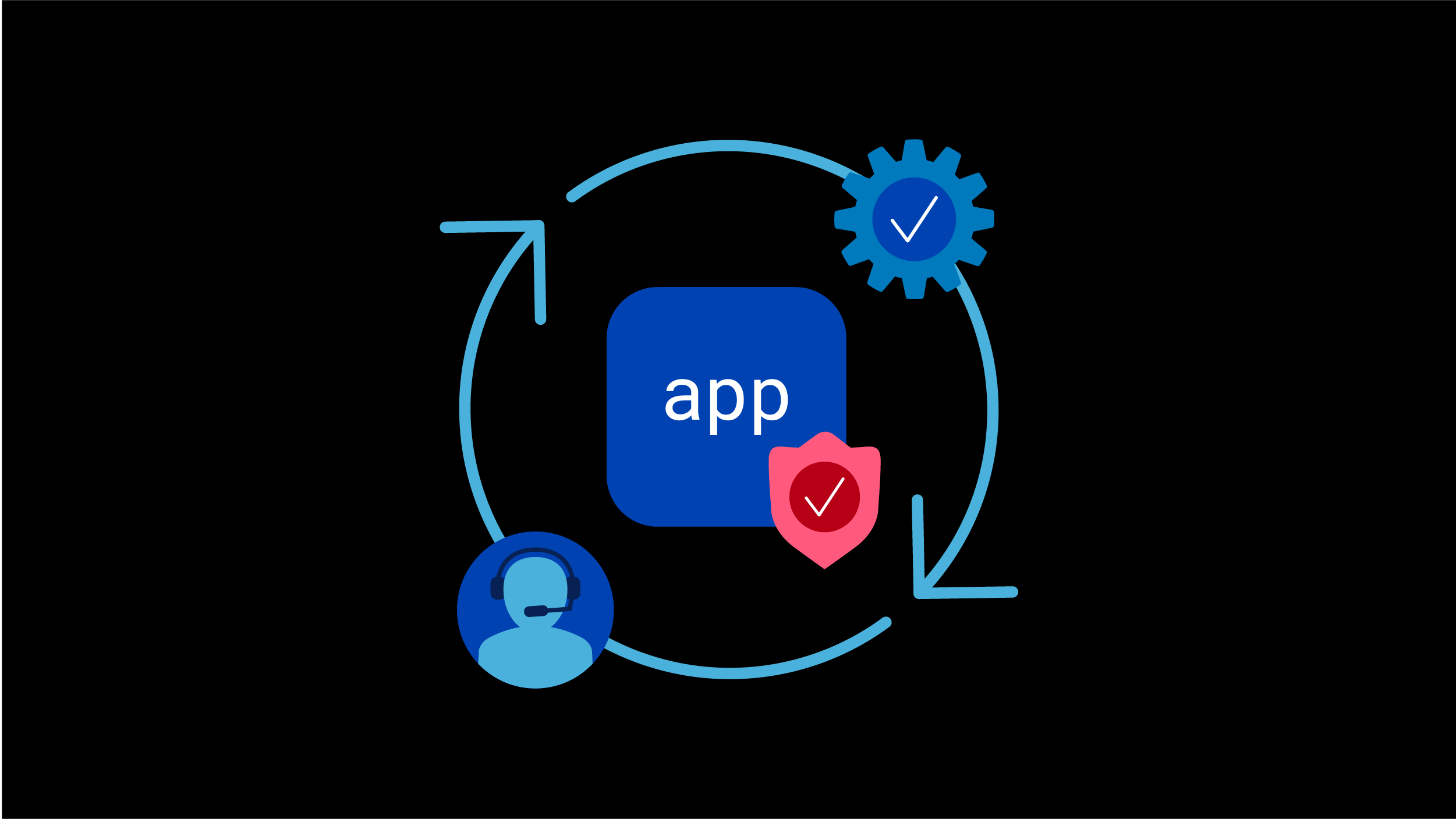
서비스 제공업체는 앱, 사용자 및 트래픽 규모에 맞춰 확장되는 상시 운영형 관리형 서비스로 보안을 제공해야 합니다.
클라우드 네이티브 아키텍처, 암호화된 트래픽, 분산 워크로드는 공격 표면을 확대하고 사후에 추가하는 보안 방식의 비용을 높이는 동시에 효과를 떨어뜨립니다.
보안을 트래픽 흐름에 직접 내장하면 공급자는 인그레스, 이그레스 및 서비스 간 트래픽 전반에 걸쳐 일관되게 정책을 적용할 수 있습니다. 이를 통해 가시성을 높이고 운영 부담을 줄이는 동시에, 보안을 확장 가능한 수익 창출형 서비스로 제공할 수 있습니다.
F5 Distributed Cloud Managed Services
F5 제품을 전문적으로 관리하고 최적화하여 지속적인 모니터링과 탁월한 애플리케이션 성능을 제공합니다.
네오클라우드와 AI 팩토리
네오클라우드 및 AI 팩토리
네오클라우드 제공업체와 AI 팩토리를 구축하는 기업은 대규모 공유 AI 인프라를 실험이 아닌 실제 수익 창출 플랫폼으로 운영해야 합니다.
이러한 환경에서는 분산형 GPU 가속 시스템 전반에 걸쳐 최고 수준의 성능, 강력한 테넌트 격리, 엔드투엔드 보안이 요구됩니다.
기존 네트워킹 및 보안 도구는 지연 시간을 늘리고 AI 트래픽과 멀티테넌트 액세스에 대한 가시성을 제한합니다. 트래픽, 보안, 관측성을 통합한 기반은 GPU 활용도를 극대화하고 워크로드를 보호하며 AI 학습, 추론, 데이터 이동을 효율적으로 확장합니다.
자세히 알아보기
F5 BIG-IP Next for Kubernetes
Kubernetes 클러스터를 위한 확장 가능한 멀티테넌트 인그레스 및 이그레스 제어.
F5 BIG-IP AFM
서비스 제공업체의 에지 및 코어를 위한 인라인 방화벽 및 DDoS 방어.
F5 BIG-IP Cloud-Native Edition
엣지 및 N6 LAN 트래픽을 위한 가입자 인식형 통신사업자급 CNF.
N6-LAN 서비스
N6-LAN 서비스
F5는 서비스 제공업체가 모바일 코어와 외부 네트워크 간에 대규모 가입자 인식형 N6-LAN 서비스를 제공할 수 있도록 지원합니다.
F5는 클라우드 네이티브 방화벽, CGNAT, DNS 및 통합 정책 적용 기능을 활용하여 가입자 트래픽을 정규화하고 애플리케이션을 보호하며, 지연 시간을 늘리지 않고 일관된 제어를 적용합니다.
그 결과, 서비스 제공업체는 코어, 클라우드 및 엣지 전반에서 5G N6-LAN 서비스를 안정적으로 확장하는 데 필요한 성능, 가시성 및 운영 간소화를 확보할 수 있습니다.
자세히 알아보기
F5 BIG-IP AFM
서비스 제공업체의 엣지 및 코어를 위한 인라인 방화벽 및 DDoS 방어.
F5 BIG-IP DNS
서비스 제공업체의 에지 및 코어를 위한 인라인 방화벽 및 DDoS 방어.
F5 BIG-IP Policy Enforcement Manager
효과적인 정책 관리를 통해 네트워크 성능을 향상하세요.
F5 BIG-IP CGNAT
대규모 N6 가입자 트래픽을 위한 IPv4 주소 추상화 및 로깅.
F5 BIG-IP 클라우드 네이티브 네트워크 기능
엣지 및 N6 LAN 트래픽을 위한 가입자 인식형 통신사업자급 CNF.
클라우드 네이티브 인프라
클라우드 네이티브 인프라
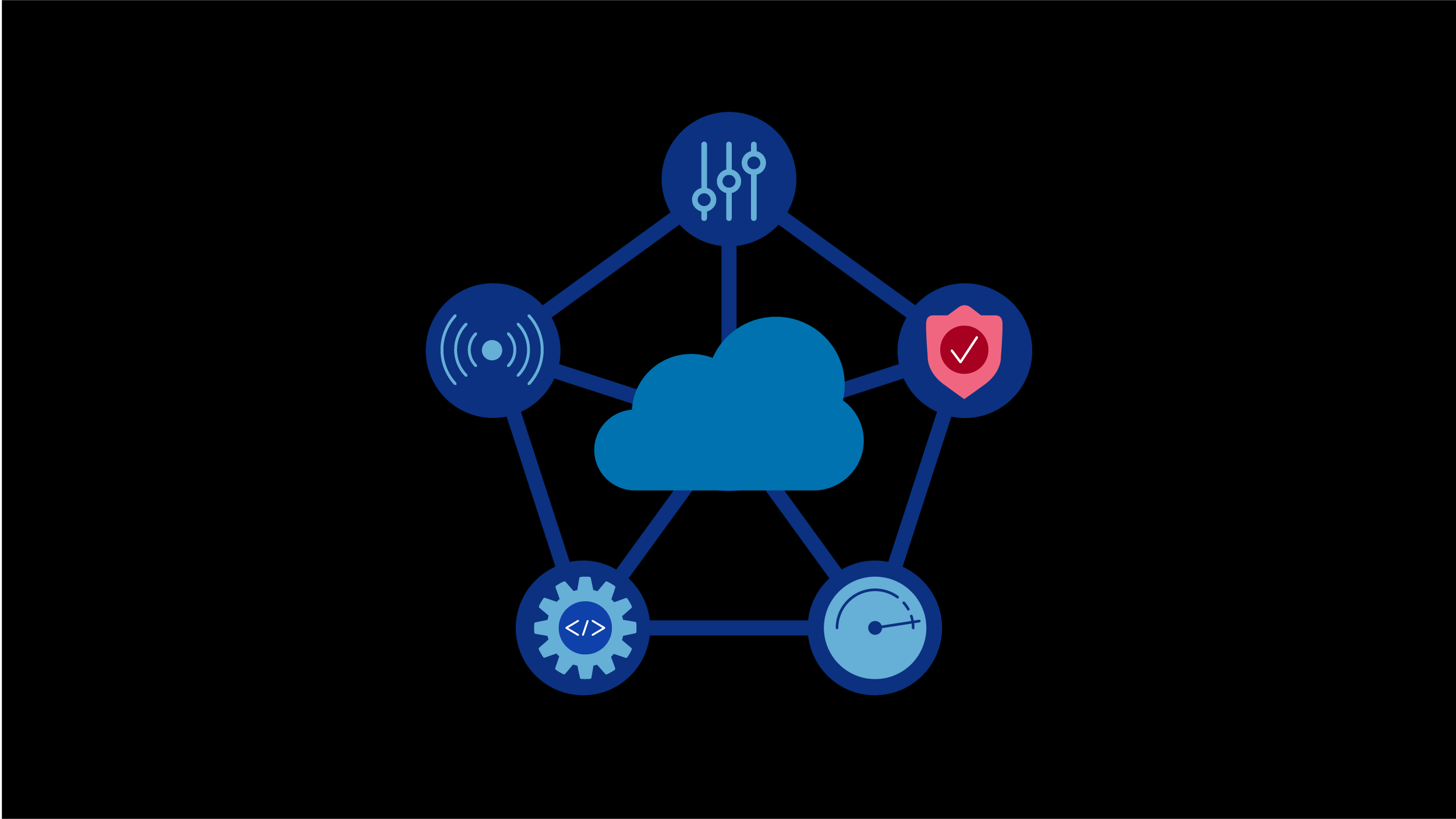
F5는 Kubernetes, 가상화 및 베어메탈 환경 전반의 클라우드 네이티브 인프라를 위한 통합 트래픽 관리, 인그레스 및 이그레스 네트워킹, 보안, 관측성 계층을 제공합니다.
F5는 클라우드 네이티브 및 하드웨어 가속 플랫폼을 통해 일관된 L3~L7 제어, 심층적인 트래픽 가시성, 프로그래밍 가능한 정책을 제공하여 파편화된 도구를 표준화된 통신사업자급 기반으로 대체합니다. 이를 통해 서비스 제공업체는 예측 가능한 성능과 운영 효율성을 바탕으로 클라우드 네이티브 플랫폼을 대규모로 운영할 수 있습니다.
F5 BIG-IP Next for Kubernetes
Kubernetes 클러스터를 위한 확장 가능한 멀티테넌트 인그레스 및 이그레스 제어.
F5 BIG-IP eBPF Observability
Kubernetes 및 CNF의 구독자와 애플리케이션 트래픽을 실시간으로 파악할 수 있습니다.
성과 및 수상 내역



기술 제휴



리소스
백서
최근 뉴스
솔루션 개요
자주 묻는 질문
AI 지원 인프라를 통해 서비스 제공업체는 5G를 단순한 연결성 투자가 아닌 수익을 창출하는 서비스 중심 플랫폼으로 전환할 수 있습니다. 운영자는 클라우드 네이티브 트래픽 관리, 실시간 가시성, 내장형 보안을 결합하여 트래픽을 동적으로 조정하고 정책을 적용하며 네트워크 슬라이싱, 프라이빗 5G, 엣지 컴퓨팅, AI 기반 관리형 서비스와 같은 차별화된 서비스를 지원할 수 있습니다. 또한 AI 지원 인프라를 기반으로 AI 추론 및 LLM-aaS 서비스를 제공할 수 있습니다.
AI 지원 플랫폼은 용량 계획을 자동화하고 트래픽, 지연 시간, 사용률이 매출에 직접 미치는 영향에 대한 인사이트도 제공합니다. 이를 통해 운영자는 인프라 효율성과 서비스 안정성을 극대화하는 동시에 새로운 서비스를 더 빠르게 출시할 수 있습니다.
클라우드 네이티브 기반의 분리형 5G 코어는 Tier 1 서비스 제공업체가 통신사급 성능을 유지하면서 네트워크 기능을 독립적으로 확장할 수 있는 민첩성을 제공합니다. 분리형 아키텍처는 제어 평면, 사용자 평면 및 보안 기능을 분리하여 운영자가 코어, 클라우드 및 엣지 환경 전반에서 서비스를 더 빠르게 배포하고 업그레이드할 수 있도록 합니다.
클라우드 네이티브 아키텍처는 복원력을 향상하고 특정 공급업체에 대한 종속성을 줄이며, 엔터프라이즈 5G 및 관리형 서비스에 필요한 멀티테넌트 플랫폼을 지원합니다. 또한 일관된 L3~L7 트래픽 제어 및 보안을 통해 서비스 제공업체는 운영 복잡성을 줄이는 동시에 수익 창출 시점을 앞당길 수 있습니다.
레거시 네트워크 기능 가상화(NFV)는 물리적 네트워크 기능을 모방하는 가상 머신(VM) 기반 어플라이언스에 의존하므로 운영 오버헤드, 제한적인 탄력성, 일관되지 않은 성능을 초래하는 경우가 많습니다. 반면, 최신 클라우드 네이티브 네트워크 기능(CNF)은 컨테이너 기반으로 Kubernetes에 맞게 구축되어 분산 환경 전반에서 탄력적인 확장, 자동화, 일관된 정책 적용을 지원합니다. CNF는 클라우드 네이티브 DevOps 워크플로에 직접 통합되어 일시적인 트래픽과 암호화된 흐름에 대한 가시성을 향상합니다.
이러한 전환을 통해 서비스 제공업체는 네트워크를 프로그래밍 가능한 소프트웨어 플랫폼으로 운영하여 비용을 절감하는 동시에 고도화된 5G, 엣지 및 AI 기반 서비스를 지원할 수 있습니다.
통신사와 인터넷 서비스 제공업체(ISP)는 AI를 활용해 분산 네트워크 전반의 트래픽 최적화, 이상 탐지, 정책 적용을 자동화함으로써 운영 복잡성을 줄입니다. AI 기반 인사이트는 혼잡, 보안 위협, 성능 문제를 실시간으로 감지하여 더 빠른 문제 해결을 지원하고 평균 복구 시간(MTTR)을 단축합니다.
AI를 통합 트래픽 및 보안 플랫폼과 연동하면 수동 개입 없이 인그레스, 이그레스 및 서비스 간 트래픽 전반의 구성 변경을 자동화할 수 있습니다. 이를 통해 운영자는 운영팀을 확대하거나 도구의 난립을 초래하지 않고도 네트워크와 서비스를 확장할 수 있습니다.
서비스 제공업체 솔루션은 트래픽 관리, 보안 및 관측 기능을 프로그래밍 가능한 단일 플랫폼으로 통합하여 손쉽게 확장할 수 있도록 지원합니다.
각 서비스마다 별도의 도구를 배포하는 대신, 운영자는 코어, 분산 클라우드 및 엣지 환경 전반에 일관된 정책을 적용합니다.
기본 제공되는 멀티테넌시, 자동화 및 심층적인 가시성을 통해 팀은 격리와 성능을 유지하면서 고객을 신속하게 온보딩할 수 있습니다. 이러한 접근 방식은 서비스 출시를 앞당기고 운영비를 절감하며 예측 가능한 운영을 지원하므로, 서비스 제공업체는 복잡성을 높이지 않고도 매출을 증대할 수 있습니다.