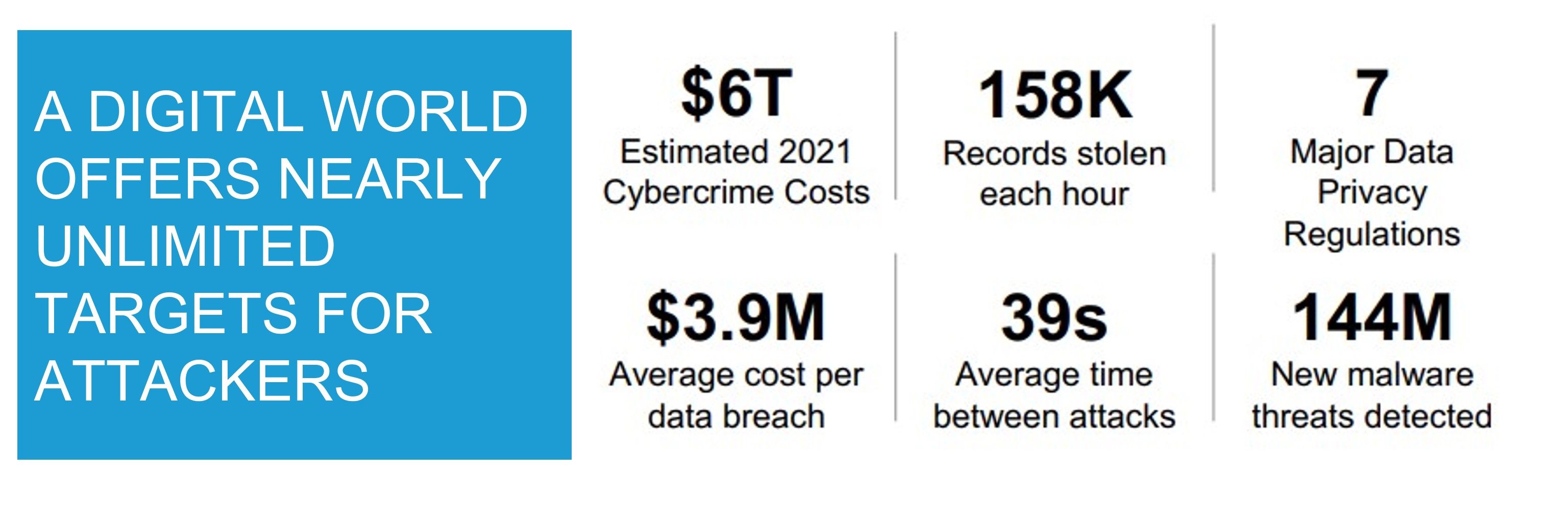
従来のサイバーセキュリティ手法やツールは、攻撃者に対抗するには十分な速度がなく、ヒューリスティックに過度に依存しています。サイバーセキュリティは自らを再定義し、新世代のハードウェアに目を向けてAI/MLを活用し、テレメトリをほぼリアルタイムで分析することで、攻撃者の先を行き、その悪意ある企みをより早く突き止める必要があります。
だからこそ、セキュリティ企業が高度な脅威調査を実施し、NVIDIAのMorpheus AI Cybersecurity Frameworkのようなテクノロジーを活用することが非常に重要です。既知の攻撃や脆弱性を緩和することも重要ですが、システム、ソフトウェア、インフラストラクチャに潜むエクスプロイトや脆弱性を迅速に突き止めることが不可欠です。AI/MLを活用することで、大規模な環境でも脅威をリアルタイムで検知し、緩和できます。NVIDIA Morpheusフレームワークは、高度にスケーラブルでカスタマイズ可能な、高速データ処理、トレーニング、推論機能を提供します。これらの機能により、ミッションクリティカルなサイバーセキュリティのユースケースでリアルタイム検知が可能になります。
そのようなユースケースの1つが、デジタル接続の特性とDNSへの依存を悪用する攻撃です。攻撃者は、DGA(ドメイン生成アルゴリズム)を使用して「qjdygsnoiqaudcq.com」のような意味をなさないドメイン名を生成します。これらのドメイン名は最終的に実在するIPアドレスへ名前解決され、その先では、予想どおり、コマンド&コントロールシステムが、知らずに送信されたデータを余すところなく取得しようと待ち構えています。
これらの攻撃の詳細と、F5がNVIDIAのMorpheus AI Frameworkを活用して攻撃を検知する方法については、脅威リサーチ担当シニアディレクターのAditya SoodとCTOのGeng Linが登壇する、3月24日(木)午前11時(PDT)開催予定のNVIDIA GTCセッションでもご紹介します。
両氏のプレゼンテーションでは、侵害されたシステム上で実行される悪意のあるコードに組み込まれたDGAによって生成された可能性のある不審なドメイン名を検出するために、主にドメイン名からなるDNSデータを使用した、エンドツーエンドで動作するプロトタイプのデモンストレーションも行われます。
NVIDIA GTCには無料で登録し、参加できます。
著者について

Lori MacVittieは、F5のOffice of the CTOに所属するDistinguished Engineer兼Chief Evangelistであり、アプリケーションデリバリ、自動化戦略、インフラストラクチャに関する深い専門知識を有しています。AIエージェントのガードレール策定、脆弱なマルチクラウドアーキテクチャの分析、スケーラブルなシステムの限界の検証など、複雑な事柄を明快にすることで知られています。アプリケーション開発、ITアーキテクチャ、ネットワークおよびシステム運用の分野で、30年以上にわたる業界経験を有しています。F5入社前は、受賞歴のあるテクノロジー編集者として活躍していました。 MacVittieはコンピューターサイエンスの修士号を取得しており、セキュリティ、クラウド、エンタープライズアーキテクチャにわたる分野で多数の著作を発表しています。また、テーブルトークゲームとビデオゲームをこよなく愛し、チーズについては遠慮なく強いこだわりを語ります。
Lori Mac Vittieのその他のブログ記事関連するブログ記事
SOAS 2025:足並みの乱れが凡庸さを招く
AI導入における方針の不一致は、非効率を招きます。セキュリティ、自動化、導入の各戦略を整合させ、AIの可能性を最大限に引き出す方法をご紹介します。

WebAssemblyが重要な理由
WebAssembly(Wasm)は、あらゆるプラットフォームで高性能なアプリケーションを実現する、ポータブルで高速かつセキュアなバイナリ命令セットです。

インフラストラクチャは依然として格好の攻撃経路
クラウドコンピューティングでは、APIやドラッグ&ドロップ式の設定ツールを活用し、ネットワークやインフラストラクチャを敬遠する人がそれらを直接扱わずに済むようにすることで、インフラストラクチャへの対応を不要にすることが長年追求されてきました。しかし、インフラストラクチャを無視することも、攻撃の主要な標的であるという事実を見過ごすこともできません。
堅牢なデータアーキテクチャがもたらす戦略的メリット
適切に構築されたデータアーキテクチャがもたらす効果は、業務プロセスの改善にとどまりません。戦略的な業務効率の向上、より深いビジネスインサイトの獲得、隣接するビジネス機会への展開にもつながり、これらすべてをより俊敏に実行できるようになります。
デジタルワークフローにおける不正検知には、データだけでは不十分
2019年には、業界全体でクレジットカード詐欺の試みが約25万件確認されました。これは約2分に1件の割合です。今日、不正を検知するには、デジタルワークフロー上のできるだけ多くのポイントから収集したデータを相互に関連付け、手作業によるデータ処理をはるかに上回る速度で分析する能力が求められます。