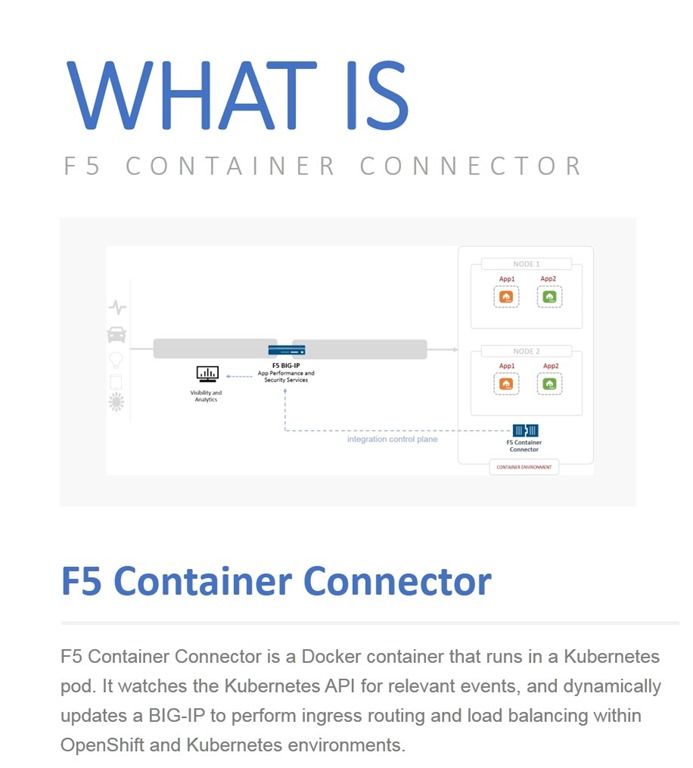
- Helm ist der Paketmanager für Kubernetes. Helm-Charts sind eine zunehmend beliebte deklarative Methode zur Verwaltung und Bereitstellung komplexer, containerisierter Anwendungen. F5 Container Connector (verfügbar auf Github und DockerHub) unterstützt jetzt die Bereitstellung mithilfe von Helm-Charts.
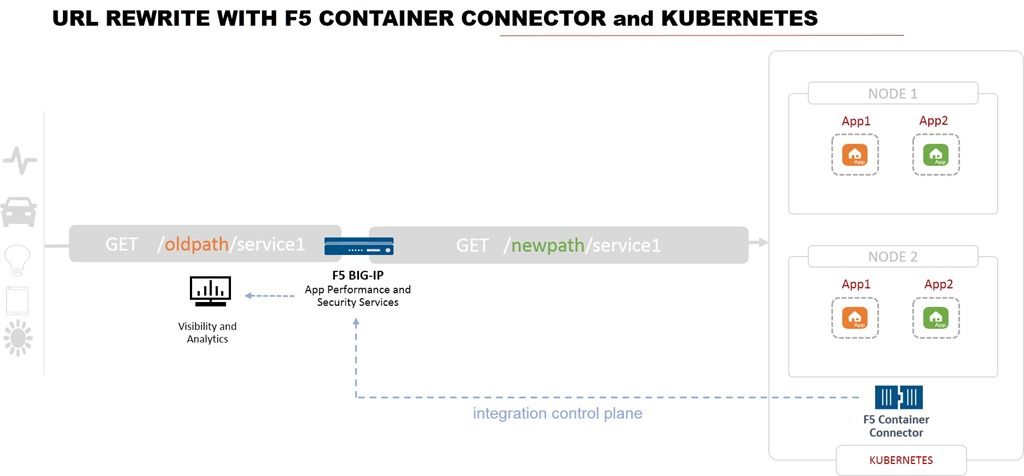
- Sie können jetzt die Rewrite-Annotation verwenden, um URLs auf einem BIG-IP für Kubernetes-Ingress-Ressourcen sowie OpenShift-Ingresses und -Routes umzuschreiben. Die Dokumentation zur Verwendung dieser Funktion finden Sie hier.
Die Kombination aus Open Source und Containern schafft eine Umgebung, die sich ständig verändert. Die längst nicht mehr in den Kinderschuhen steckende Technologie der Container-Umgebungen entwickelt sich rasant weiter – nicht zuletzt dank ihrer Wurzeln im Open-Source-Bereich. In der kommerziellen und unternehmerischen Softwareentwicklung setzen wir seit jeher häufig auf Open Source (80 % der heutigen Anwendungen bestehen aus Bibliotheken von Drittanbietern, von denen viele Open Source sind), und bei Containern ist das nicht anders.
Mit dieser rasanten Weiterentwicklung gehen auch schnelle Iterationen von Lösungen wie F5 Container Connector einher, die moderne Umgebungen mit herkömmlichen Netzwerken verbinden. Diese Brücke ist notwendig, um sicherzustellen, dass Benutzer – ob Menschen oder Geräte – auf die APIs und Anwendungen zugreifen können, die in Container-Umgebungen bereitgestellt werden.
Das liegt daran, dass das Internet noch immer Herausforderungen bewältigen muss, denen sich am besten mit einem sicheren, eingehenden Pfad von außerhalb der Organisation nach innen begegnen lässt. Eine davon ist die begrenzte Anzahl an IPv4-Adressen, die einschränkt, wie viele öffentliche Endpunkte ein Unternehmen für den Zugriff von außen bereitstellen kann. Und selbst wenn dieses Problem durch die Einführung von IPv6 gelöst würde, würden Sicherheitsbedenken die Zugangspunkte wahrscheinlich weiterhin begrenzen, um sicherzustellen, dass jede Anfrage geprüft und verifiziert wird, bevor sie tief in das Rechenzentrum vordringen darf.
Das bedeutet, dass herkömmliche, skalierbare Load-Balancing-Proxys auch in absehbarer Zukunft weiterhin das Gateway zu containerisierten APIs und Anwendungen schützen werden. Das heißt jedoch nicht, dass diese Lösungen – wie BIG-IP – nicht genauso flexibel und dynamisch sein sollten wie die Umgebungen, an die sie Anfragen weiterleiten. Genau dafür gibt es den F5 Container Connector: Er stellt sicher, dass Änderungen innerhalb einer Containerumgebung schnell an BIG-IP übermittelt werden.
In dieser Ausgabe von „Was ist neu im F5 Container Connector?“ kündigen wir die Unterstützung von Rewrite-Annotations an, die das Umschreiben von URLs erleichtern. Solche Funktionen werden für verschiedene Zwecke eingesetzt, beispielsweise um Clients von einer Version einer API oder App auf eine andere zu migrieren oder Probleme mit alten URL-Pfaden zu beheben, indem diese automatisch in den neuen, funktionierenden Pfad umgeschrieben werden.
Neu hinzugekommen ist außerdem die Unterstützung für Helm, den Paketmanager für Kubernetes. Da Containerumgebungen – und die darin bereitgestellten Anwendungen – hinsichtlich der beteiligten Systeme immer komplexer werden, ist es nicht mehr praktikabel, sie manuell bereitzustellen und zu verwalten. Eine stärker automatisierte, deklarative Methode für die Bereitstellung und Verwaltung ist nicht nur für die Skalierung erforderlich, sondern auch, um sicherzustellen, dass für eine bestimmte Anwendung alle Komponenten vorhanden sind.
Helm verwendet sogenannte Charts, um eine gesamte Anwendung und ihre Komponenten zu paketieren. Dies gewährleistet konsistente, wiederholbare Bereitstellungen sowie einfache Rollbacks bei Problemen. F5 Container Connector unterstützt jetzt die Verwendung von Helm-Charts, um Ingress-Routen nahtlos auf BIG-IP bereitzustellen und zu verwalten.
Die Dokumentation zu Rewrite-Annotationen finden Sie hier, und die F5 BIG-IP Ingress-Helm-Charts finden Sie auf GitHub.
Über den Autor

Lori MacVittie ist Distinguished Engineer und Chief Evangelist im Office of the CTO von F5 und verfügt über umfassende Expertise in den Bereichen Anwendungsbereitstellung, Automatisierungsstrategie und Infrastruktur. Sie ist dafür bekannt, Komplexität verständlich zu machen – ob sie Leitplanken für KI-Agenten definiert, fragile Multicloud-Architekturen analysiert oder die Grenzen skalierbarer Systeme auslotet. Sie verfügt über mehr als dreißig Jahre Branchenerfahrung in der Anwendungsentwicklung, IT-Architektur sowie im Netzwerk- und Systembetrieb. Bevor sie zu F5 kam, war sie als mehrfach ausgezeichnete Technologie-Redakteurin tätig. MacVittie hat einen Masterabschluss in Informatik und ist eine produktive Autorin, deren Veröffentlichungen die Bereiche Sicherheit, Cloud und Unternehmensarchitektur abdecken. Außerdem spielt sie leidenschaftlich gern Brett- und Videospiele und vertritt mit voller Überzeugung klare Ansichten zum Thema Käse.
Weitere Blogbeiträge von Lori Mac VittieÄhnliche Blogbeiträge

F5 und Equinix bündeln ihre Kräfte, um die sichere Anwendungsbereitstellung in Multicloud-Umgebungen zu vereinfachen
F5 und Equinix ermöglichen es Unternehmen, sich weltweit sicher und zuverlässig mit ihren Partnern zu vernetzen.
API-Sicherheitsrisiken und -herausforderungen
Erfahren Sie, warum APIs für die moderne App-Entwicklung unverzichtbar sind und wie Sie sie vor den häufigsten Sicherheitslücken schützen. Profitieren Sie von Expertentipps und direkt umsetzbaren Strategien.
Ein Meilenstein für die Community Impact Grants von F5
F5 feiert das fünfjährige Bestehen seines innovativen Community Impact Grant-Programms, das gemeinnützige Organisationen, bei denen sich F5-Mitarbeitende ehrenamtlich engagieren, mit Fördermitteln in Höhe von 5.000 US-Dollar unterstützt.
Mit moderner, anpassungsfähiger und sicherer Gesundheits-IT Leben retten
Die IT-Investitionen im Gesundheitswesen tragen dazu bei, die schnellsten Wege zu einer besseren Versorgung zu finden, indem sie die medizinische Betreuung näher an die Patientinnen und Patienten bringen. Viele Gesundheitsunternehmen nutzen riesige Mengen an klinischen und anderen Gesundheitsdaten, um Entwicklungen zu verfolgen und übergreifende Trends in der gesamten Gesundheitslandschaft zu erkennen. Gleichzeitig nähern sie sich einer möglichst präzisen, individuell zugeschnittenen Versorgung an.
Verbesserung der Benutzer- und Administrationserfahrung durch sicheren hybriden Zugriff
Diese Kombination aus BIG-IP Access Policy Manager und Azure Active Directory ermöglicht Identitätsföderation, zentralisierten Benutzerzugriff (über Single Sign-on) und erhöhte Anwendungssicherheit (durch Multi-Faktor-Authentifizierung) für geschäftskritische Anwendungen sowie cloudbasierte und SaaS-Anwendungen. Dieser Ansatz vereinfacht die Einrichtung und Bereitstellung, reduziert den Verwaltungsaufwand und verbessert die gesamte Administration.
Das Internet der Sicherheitsdinge
Nein, das ist keine Tirade über die Sicherheit des IoT. Es ist eine Geschichte über Veränderung – genauer gesagt über Veränderung und ihre Auswirkungen auf die Sicherheit. Veränderung ist allgegenwärtig. Es gibt unzählige Axiome und Sprichwörter über Veränderung, also ist es ...