
Unlock More AI Output From Your Existing GPU Investment
AI inference performance is no longer determined by GPUs alone. As AI scales, traffic management, latency, and resource efficiency determine how many tokens your infrastructure can actually produce.
Download the report
AI inference breaks traditional traffic assumptions
Traditional applications generated predictable, short-lived requests. AI inference introduces dynamic workloads where GPU utilization, latency, and traffic patterns constantly change.
Without intelligent traffic control, organizations risk:
GPU imbalance and wasted capacity
Increased latency and slower user experiences
Higher cost per token
Infrastructure inefficiency at scale
Independently validated AI inference gains
F5 BIG-IP Next for Kubernetes delivered:
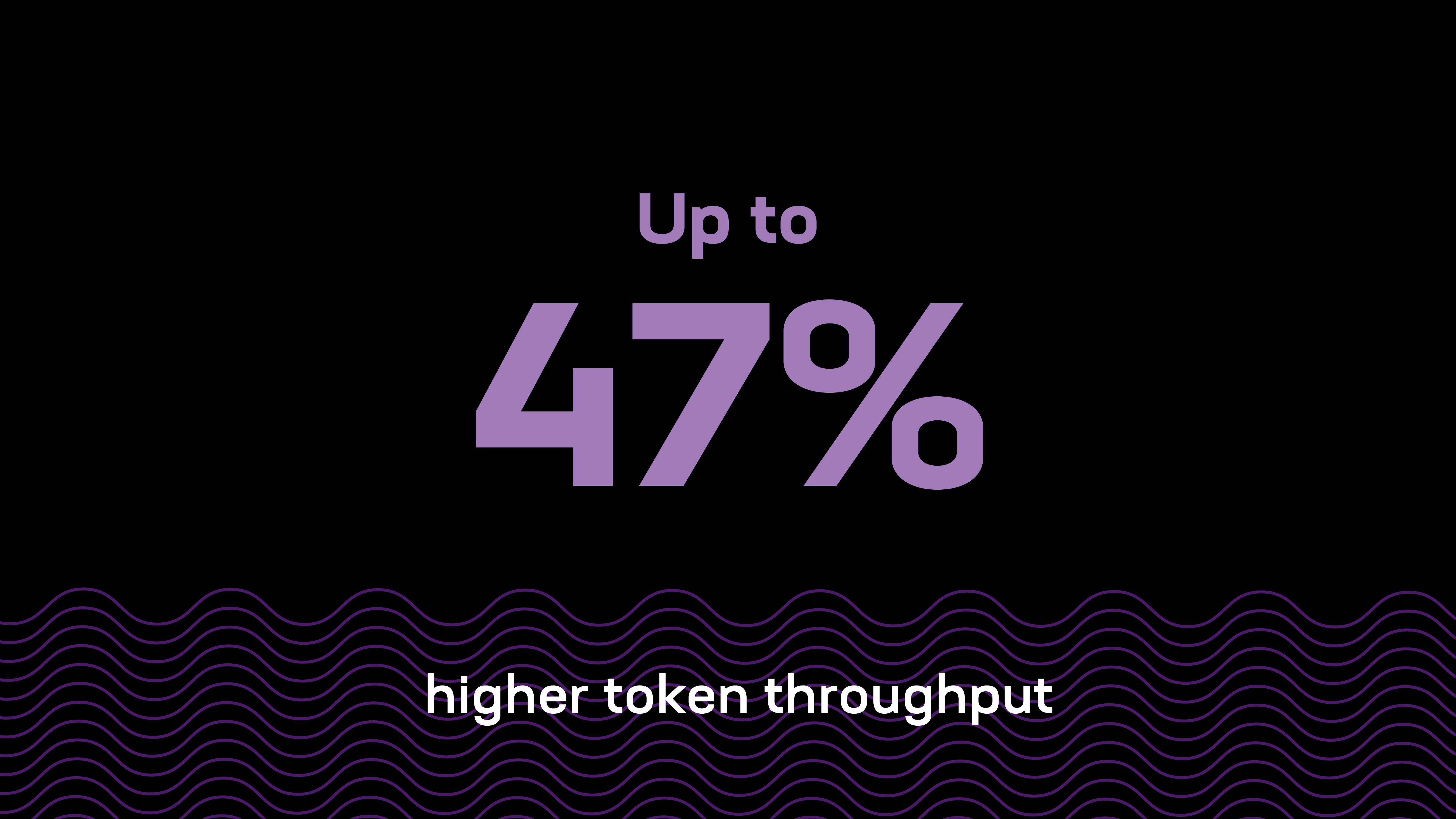
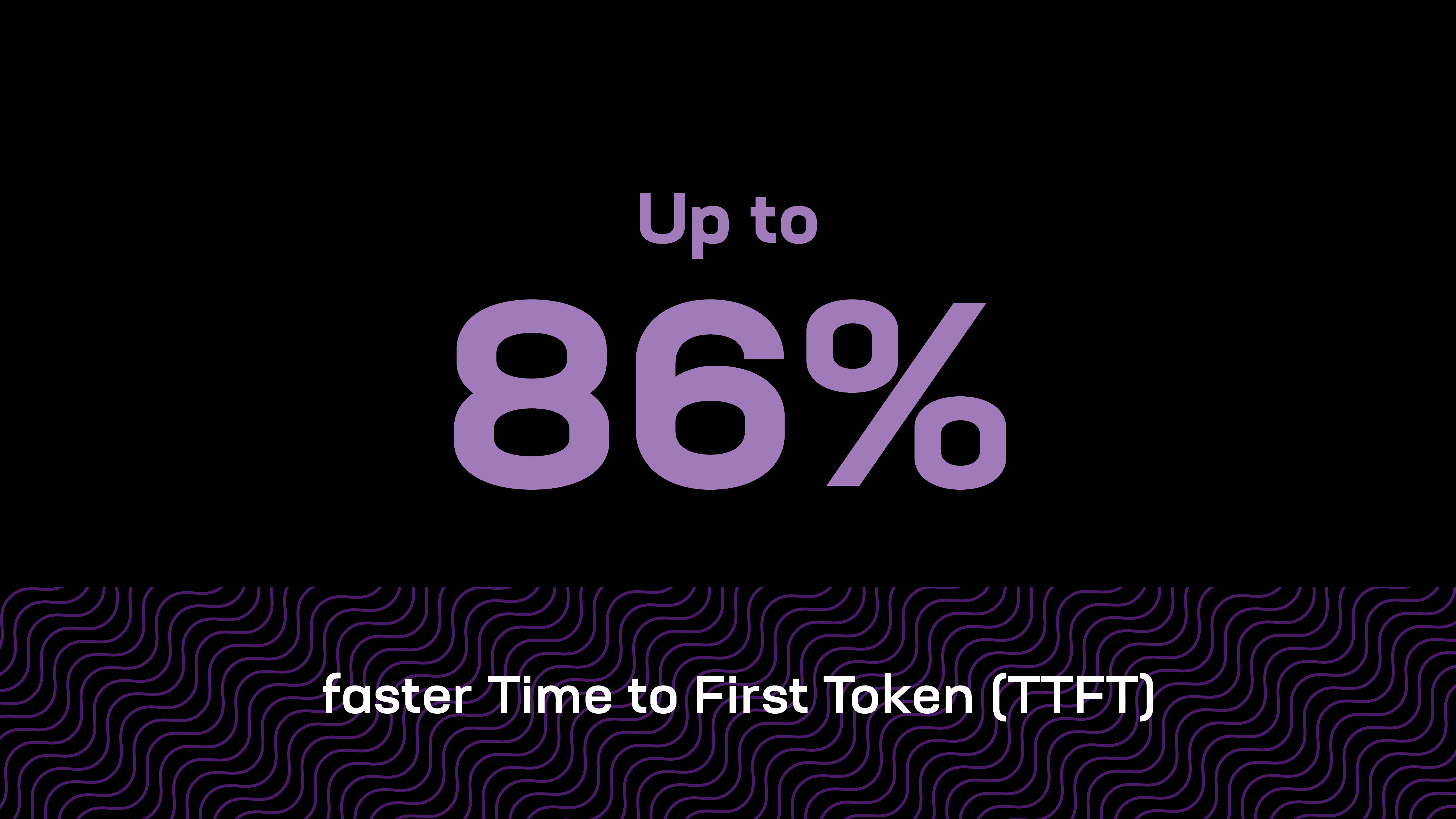
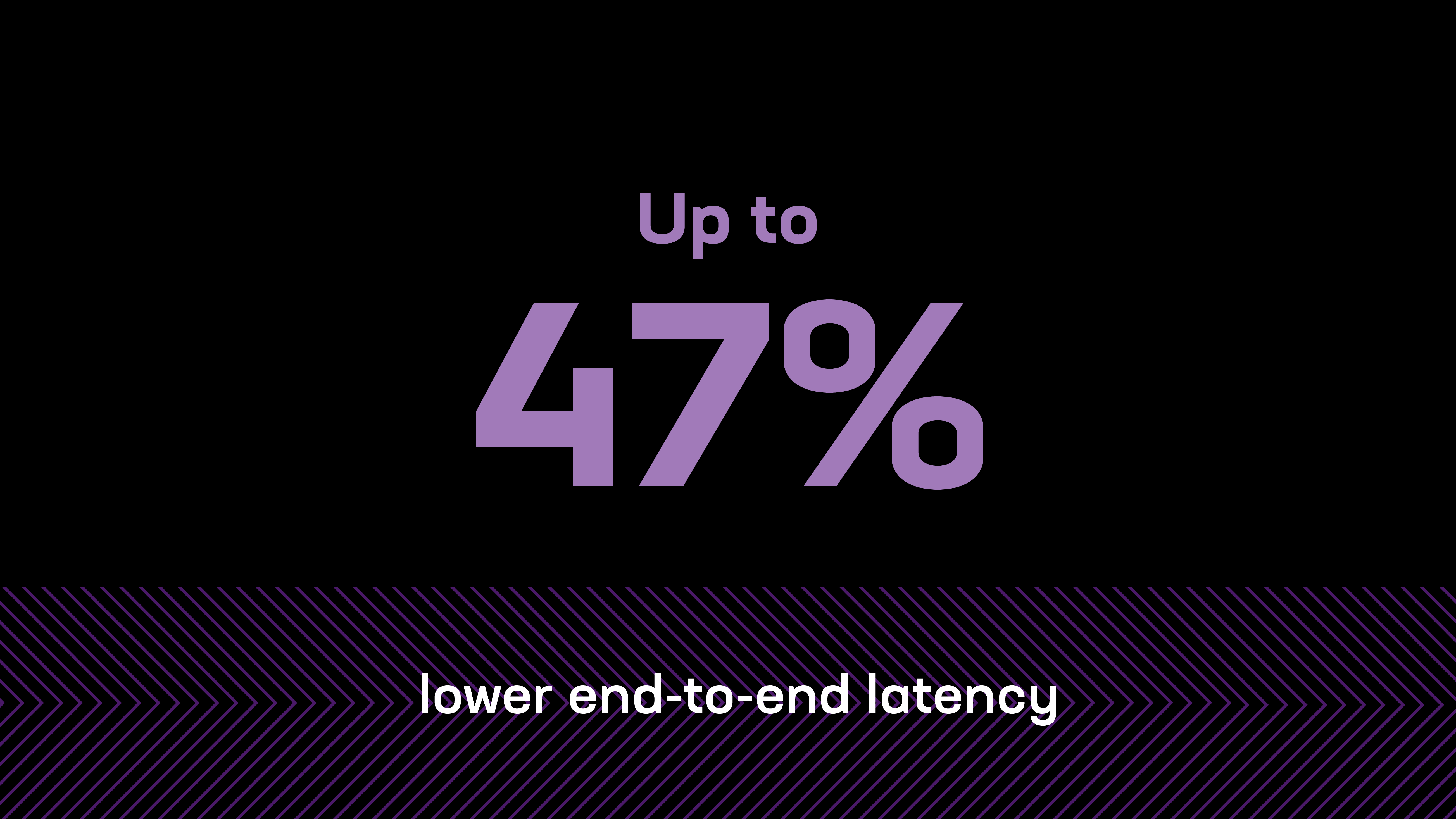
Tested under sustained AI inference workloads with NVIDIA infrastructure.
Performance metric | BIG-IP Next for Kubernetes with AI Intelligence load balancing | Open source | HAProxy | Envoy | Cilium (node port) | F5 Advantage |
Output token (token/second) | 1,980 | 1,346 | 1,349 | 1,448 | 1,357 | +47% vs. open source +47% vs. HAProxy +37% vs. Envoy |
Download the full report to learn:
- How intelligent AI load balancing improves token economics
- Why traditional round-robin approaches struggle with AI inference
- How real-time GPU and system telemetry improves routing decisions
- The NVIDIA BlueField-3 DPU reference architecture used for testing
- Full comparison results against open-source and commercial implementations
Improve AI Factory Economics
In AI infrastructure, success is measured by how efficiently systems generate tokens — not just how many GPUs are deployed.
BIG-IP Next for Kubernetes helps optimize:
• Tokens generated per GPU
• Time to First Token
• Infrastructure efficiency
• Predictable inference performance