
The past two decades have been characterized by rapid technological advances, with the last 18 months marked by significant AI-driven transformations. AI is reshaping the competitive landscape across industries in real time, leaving corporate and security leaders to navigate these changes largely without a roadmap. Despite AI’s growing acceptance, practical and secure implementation lags behind, and having an enterprise-wide council for responsible AI governance is rare. This gap highlights the need for structured guidance, best achieved through a dedicated AI Steering Committee (AI SteerCo).
Why Form an AI Steering Committee?
Integrating AI into existing technical and corporate infrastructure requires strategic oversight. A steering committee ensures observability of AI’s impact across the organization and drives operational efficiencies, shifting the focus from immediate revenue enhancement to long-term growth through process automation and innovation. It also aligns AI initiatives with broader business objectives, ethical standards, and regulatory requirements, safeguarding against misalignments that could lead to ethical or strategic failures.
Composition and Structure
The committee’s effectiveness depends on its composition and structure. Cross-functional representation ensures diverse perspectives to address the many dimensions of AI projects. The committee should include senior leaders from key functions, each contributing unique insights from their area of expertise and holding enough seniority to represent their departments. Members must be good communicators, influential leaders, and strategic thinkers adept at navigating dynamic environments.
Strategic Objectives and Goals
The AI SteerCo shapes the strategic direction and speed of AI initiatives on a realistic, efficient timeline. Being part of such a committee is not for the faint-hearted, but it is emerging as a critical role in organizations of every size and in every industry sector. As such, executive leadership must support the AI SteerCo with the resources, authority, and visibility to fulfill its mission.
Addressing the AI Implementation Gap
Despite broad recognition of AI’s importance, there remains a substantial gap in its practical implementation. Recent studies show that more than half of enterprises will not have an initial GenAI use case in production until at least 2025, and less than a fifth have an enterprise-wide council with the authority to make decisions involving responsible AI governance. This disparity underscores the need for structured guidance and oversight in deploying AI technologies. Primary research and industry-based conversations identify the establishment of a steering committee as the safest, surest, and most strategic way to bridge this gap.
Roles and Responsibilities
Each AI SteerCo member must bring their departmental insights about AI strategy planning and execution to ensure the strategies developed or adopted are feasible, practical, and aligned with the organization’s needs.
Scope and Authority
The committee must be vested with key responsibilities and decision-making authority regarding AI projects, including resource allocation, ethical compliance, and performance evaluation of AI initiatives, to ensure effective governance and execution.
Strategic Integration and Business Alignment
Integrating AI technologies into existing digital infrastructure requires careful oversight and strategic direction to maximize opportunities, overcome challenges, and ensure successful execution in line with the organization’s goals and values. The committee’s approach must be strategic, efficiency-oriented, and situationally aware, requiring a concerted effort from every level of the organization.
Forming an AI Steering Committee is a strategic decision aimed at harnessing the full potential of AI while navigating its challenges with foresight, prudence, and agility. Properly established and supported, the committee will be pivotal in overseeing AI deployment by guiding strategic direction, governance, and implementation to enhance operational efficiencies, promote innovation, and tackle global business challenges. With the backing of executive leadership, the AI SteerCo can ensure AI becomes a cornerstone of business resilience.
Click here to contact us and find out how our GenAI security solutions can help your organization achieve its AI ambitions.
About the Author
Related Blog Posts
Who can you trust in the age of AI agents?
New features for F5 Distributed Cloud Bot Defense enable organizations to distinguish between trusted and fraudulent AI traffic.
Securing F5 NGINX in the age of AI
How F5 is applying AI-driven security practices across the F5 NGINX portfolio to help deliver safer, more resilient software.
From dashboard fatigue to operational excellence: Why XOps needs F5 Insight for ADSP
Learn how F5 Insight for ADSP lays the visibility foundation for XOps—turning fragmented signals across applications and infrastructure into actionable intelligence.
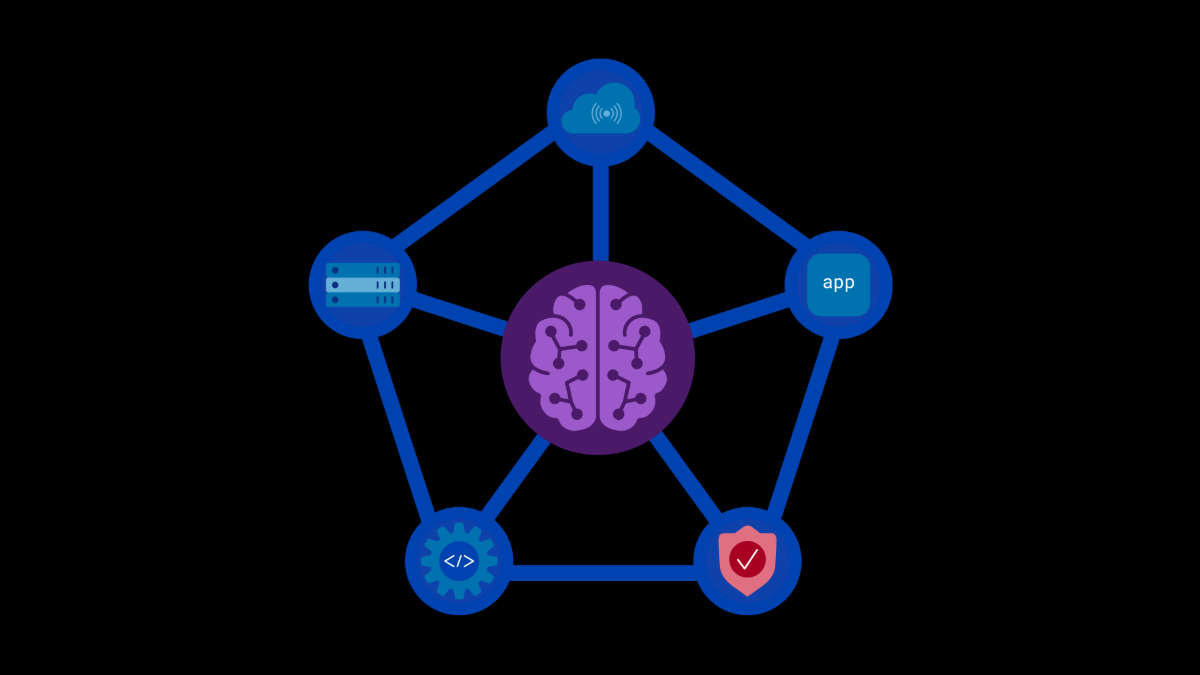
The hidden cost of unmanaged AI infrastructure
AI platforms don’t lose value because of models. They lose value because of instability. See how intelligent traffic management improves token throughput while protecting expensive GPU infrastructure.
Govern your AI present and anticipate your AI future
Learn from our field CISO, Chuck Herrin, how to prepare for the new challenge of securing AI models and agents.

F5 recognized as one of the Emerging Visionaries in the Emerging Market Quadrant of the 2025 Gartner® Innovation Guide for Generative AI Engineering
We’re excited to share that F5 has been recognized in 2025 Gartner Emerging Market Quadrant(eMQ) for Generative AI Engineering.