開発者は、実に異質な存在です。役割や責任から組織内での位置付けに至るまで、開発者はしばしば「異色の集団」と見なされます。開発チームはIT部門に属する場合もあれば、事業部門に属する場合もあるため、必ずしも「IT」という枠に含められるとは限りません。
文化的変革としてのDevOpsが定着し始めている一方で、ほとんどの組織では、いわゆる「ITサイロ」と呼ばれる機能別の組織体制が依然として残っています。F5の「State of Application Services 2019」調査では、回答者の半数近く(46%)が、依然として「ネットワーク」「サーバー」「ストレージ」「セキュリティ」などの「単一機能チーム」に所属していることがわかりました。3分の1を超える回答者(37%)は、DevOpsの原則や、アプリケーションのデリバリとデプロイに対するアプローチを取り入れて実践するのに適した、複数機能を統合した運用チームに所属していました。事業部門や自社製品を軸とする小規模な部門横断型チームに所属していた回答者は、わずか15%でした。
組織構造は重要です。目的や優先事項の一部は組織構造によって決まり、それが成功を測る指標を左右するからです。組織がサイロ化すれば、指標もサイロ化します。このことは、昨夏に実施した「NetOpsとDevOpsに関する調査」の結果にも表れています。組織構造によって、チームの評価指標には大きな違いが見られました。たとえば、あらゆるチーム形態と役割に共通する最も一般的な指標は、次のとおりです。
- ネットワーク稼働時間(60%)
- アプリケーションの稼働時間(56%)
- プロセスの最適化(40%)
- 平均解決時間(39%)
しかし、これを細分化し、チームのタイプ別に指標を見ると、チーム構造のコラボレーション性が高いほど、つまりDevOpsに近いほど、優先事項が変化することがわかります。
| 単一機能 | 統合運用 | 部門横断 |
ネットワーク稼働率 | 67% | 54% | 50% |
アプリケーション稼働率 | 53% | 58% | 61% |
プロセスの最適化 | 34% | 45% | 45% |
平均解決時間(MTTR) | 43% | 30% | 44% |
では、評価指標はアプリケーションサービスとどのように関係しているのでしょうか。実際には、大いに関係しています。
ネットワークの稼働時間を最優先するなら、その向上に取り組み、目標達成に役立つサービスを導入することになります。アプリケーションの稼働時間についても同様です。それを優先する場合、デプロイ頻度を評価指標とする人よりも、可用性サービスをはるかに重視することになります。
今回の調査におけるアプリケーションサービスの導入計画には、回答者の大半が「単一機能チーム」に属していることの影響が見て取れます。この傾向は、アプリケーションサービスを、アプリケーションに提供する機能(セキュリティ、パフォーマンス、アイデンティティ/アクセス、可用性、モビリティ)別に分類すると、より明確になります。
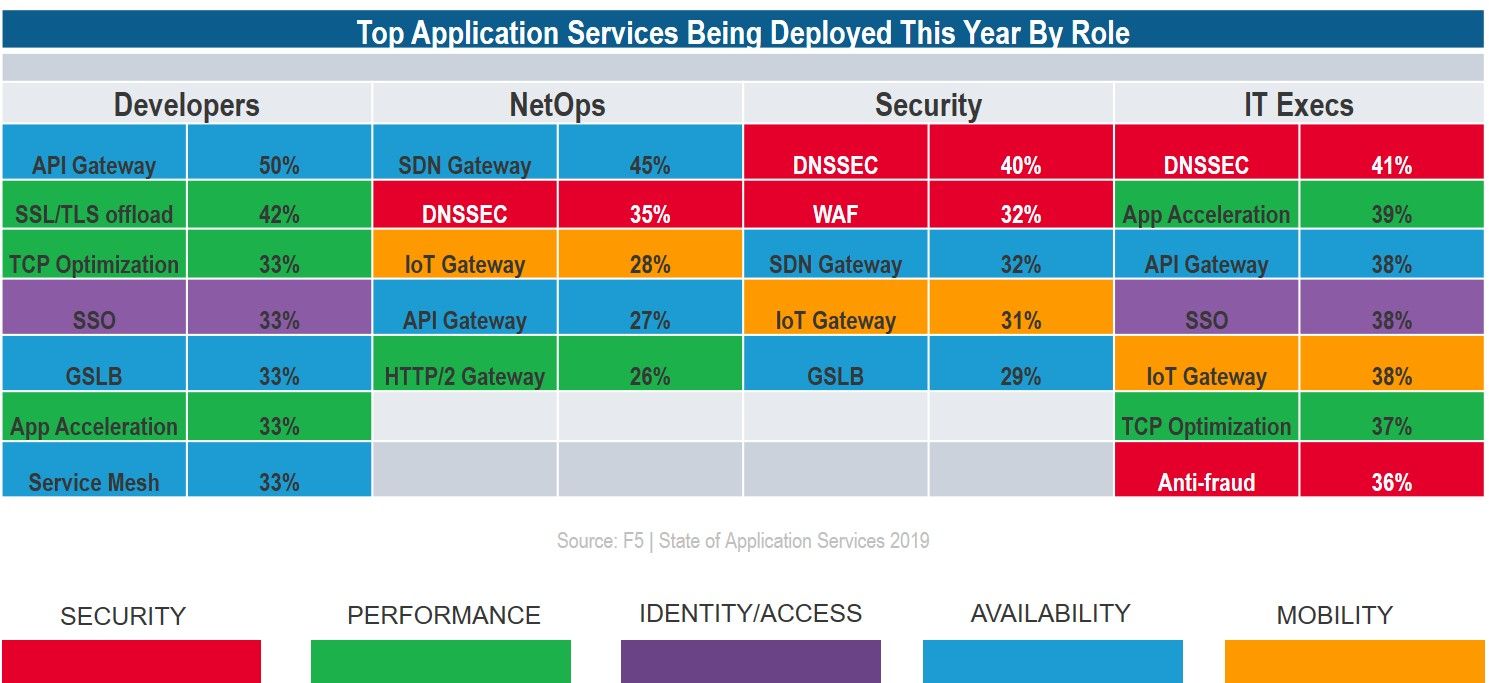
これらの結果には、単一機能チームの評価指標が及ぼす影響が反映されています。開発者が主に重視するのは可用性であり、多くの場合、そこには具体的なパフォーマンス目標も含まれます。そのため、可用性とパフォーマンスの両方を支えるアプリケーションサービスの導入を計画しています。同様に、NetOpsは、アプリケーションが依存するネットワークプロトコルを最適化、スケーリング、保護することで、ネットワークの稼働時間を支えるアプリケーションサービスに重点を置いています。
チーム構造は重要です。より協力的な文化を醸成する必要があるからだけではありません。テクノロジーの選択を含む意思決定にも影響するためです。目標が異なれば、対立や不満が生じます。従来はNetOpsが導入・運用してきた負荷分散などのアプリケーションサービスをDevOpsが取り込み、アプリケーションの一部として導入するようになっているのも、そのためです。単一機能型のチーム構造を採用する組織では、アプリケーションの稼働時間は開発者にとって優先事項ですが、NetOpsにとってはそうではありません。
DevOpsを真に活用するには、チーム構造とその評価指標を、従来の単一機能型チームから、より協働的なモデルへと移行する必要があります。
サイロが必要なのは農場であって、IT部門ではないからです。
著者について

Lori MacVittieは、F5のOffice of the CTOに所属するDistinguished Engineer兼Chief Evangelistであり、アプリケーションデリバリ、自動化戦略、インフラストラクチャに関する深い専門知識を有しています。AIエージェントのガードレール策定、脆弱なマルチクラウドアーキテクチャの分析、スケーラブルなシステムの限界の検証など、複雑な事柄を明快にすることで知られています。アプリケーション開発、ITアーキテクチャ、ネットワークおよびシステム運用の分野で、30年以上にわたる業界経験を有しています。F5入社前は、受賞歴のあるテクノロジー編集者として活躍していました。 MacVittieはコンピューターサイエンスの修士号を取得しており、セキュリティ、クラウド、エンタープライズアーキテクチャにわたる分野で多数の著作を発表しています。また、テーブルトークゲームとビデオゲームをこよなく愛し、チーズについては遠慮なく強いこだわりを語ります。
Lori Mac Vittieのその他のブログ記事関連するブログ記事

F5 Application Study Tool:OpenTelemetryによるF5 BIG-IP環境の監視
F5の新しいオープンソースツールは、BIG-IP環境を詳細に可視化し、データを追跡するとともに、強力でカスタマイズ可能なインサイトを得るための基盤を提供します。

F5 BIG-IPでAI防御を実現
F5 BIG-IP Advanced WAF、BIG-IP APM、BIG-IP SSL Orchestratorが、生成AIアプリ向けに包括的なセキュリティソリューションを提供する仕組みをご覧ください。
F5 Advanced WAFによるGraphQL APIの保護
ここ数年、多くの組織がデジタルトランスフォーメーションを進めており、COVID-19のパンデミックによってその動きは加速しています。
アプリケーションサービスの現状 通信業界版:リーダーとしての台頭
通信ネットワークが進化し、さまざまな業界の幅広いユースケースに対応するなか、通信業界の回答者がテクノロジーリーダーとしての存在感を高めていることがわかります。
デジタルトランスフォーメーションは、単なるペーパーレス化ではない
デジタルトランスフォーメーションは、単なるペーパーレス化ではありません。真のモダナイゼーションにアプリケーションアーキテクチャとセキュリティの再構築が必要な理由を、F5ブログでご覧ください。
やめましょう。もう本当にやめましょう。HTTPSはHTTPより高速ではありません。
もうやめましょう。HTTPSはHTTPより高速ではありません。プロトコルのパフォーマンスに関する微妙な違いと、暗号化トラフィックを適切に最適化する方法については、F5ブログをご覧ください。